A different stock language in a rifle collection: VSS Vintorez-style miniatures
By MiniatureArsenal Editorial
Published
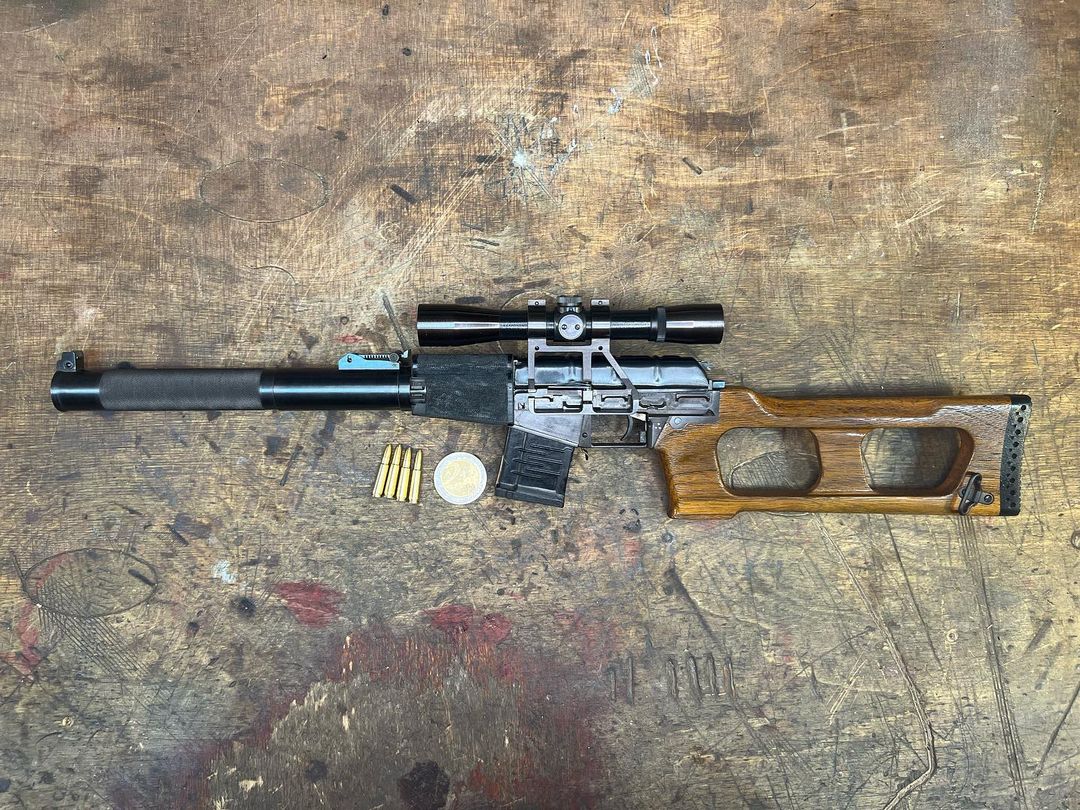
A VSS-style miniature can offer a useful contrast between an open-looking stock form and a substantial forward outline. Those elements give the reference a different visual rhythm from conventional solid-stock rifles.
A collector's choice is most useful when it explains the role of an object rather than announcing a universal winner. VSS Vintorez-style miniatures can be approached as a reference-design study: what does this shape help a viewer understand, and what would remain unclear without a label? This article treats selection as curation, not as a performance ranking or an acquisition recommendation.
A different stock language in a rifle collection
A VSS-style miniature can offer a useful contrast between an open-looking stock form and a substantial forward outline. Those elements give the reference a different visual rhythm from conventional solid-stock rifles. A collection can explain that contrast without claiming exact technical equivalence. The miniature object, historical reference and documented capability should remain separate parts of the record.
A collection question, not a popularity contest
Begin with the question in the model-specific note above. A cabinet organized around that question will usually be clearer than one organized only around famous names. The three reference cues to consider here are distinctive skeletal stock reference, large forward cylindrical silhouette, compact rifle proportions. They are interpretive starting points, not a certification that every depicted feature is faithfully or functionally reproduced. Compare them using the actual catalog photograph and record where the evidence remains incomplete.
Write the label before choosing the arrangement
Try drafting a short interpretive label that distinguishes the miniature object from its intended full-size reference. If the label relies on claims about rarity, national origin, maker, material or performance that you cannot support, revise it. A strong collection argument explains the visible design and the available evidence. It can also explain an unresolved attribution without treating uncertainty as a flaw.
A practical curation exercise
Sketch a three-object display with this miniature as the comparison point. Assign each neighboring object a different question, such as proportion, chronology or reference-family identification. Keep actual miniature sizes visible rather than implying that all pieces share one scale. Then remove any prop or sentence that does not help answer the main question. The resulting display should make the object easier to study.
Notebook checklist
- State one design question the object helps explain.
- Separate reference identity from miniature maker and date.
- Keep scale differences visible in a comparison.
- Avoid unsupported rarity, investment or capability claims.
About the illustration
The image is a MiniatureArsenal catalog photograph labeled “VSS Vintorez”. It illustrates the reference discussion; it does not independently verify maker, material, scale or firing capability. The article analyzes collecting evidence rather than certifying the object.